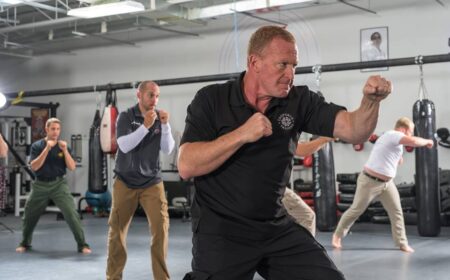
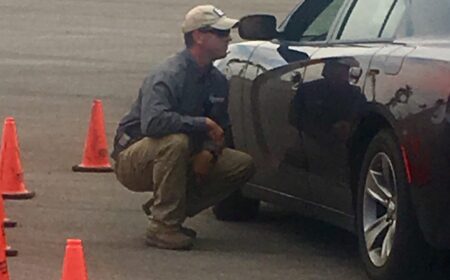
If any industry is defined by societal perception, it is the protection profession. Anyone who has no direct experience has the idea that the profession is nothing but shooting an AR through your front windshield at numerous threats, MMA style fighting in nightclubs or doing a J-turn because a light turned red and there are paparazzi on the corner… The laughable, off target (pun intended) perception is largely due to the media, but also due to the wannabes out there who have website who depict such. However, that being said, our job is mainly to prevent but also to respond. In the cases when a response is required, the skills need to be there. As the ISDA puts it, “when [‘stuff’] happens, you can’t be average.” This article is meant to discuss training the hard skills of the job.
Encrypted Radio Communications with DMR Privacy Modes
In a previous article ‘2-Way Radios & Communicating in Protective Services‘ we discussed radio options and other communicating techniques. One of the primary issues most security practitioners face when communicating with 2-way radios is the lack of secure communication. This article is meant to discuss the reasonable options available to us which afford much more secure communication.
Executive Driver – Dallas, TX
Pre-Screening Candidates in order to fulfill a direct hire opportunity for a Dallas, TX company seeking 3-5 executive drivers.
JOB SUMMARY:
Executive Driver – Full time/On-Call
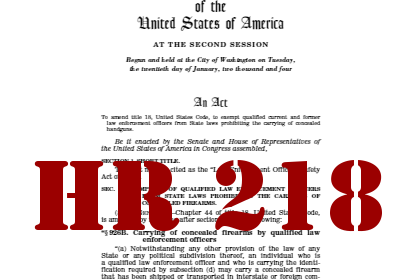
HR218 LEOSA – Can I carry concealed while working?
There are many questions when it comes to licensing, however most of them are quickly and simply answered by reviewing the state’s licensing laws, found HERE. Despite this, one of the most common questions is in regards to H.R. 218, otherwise known as the Law Enforcement Officer’s Safety Act, and if those who have the credential are eligible to carry a firearm while under occupational requirement to do so.
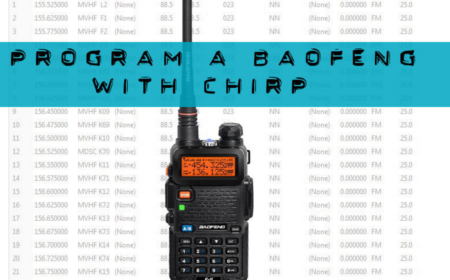
Custom Radio Programming – Frequencies and CTCSS
In a previous article, , radio options were discussed and presented. However, many questions regarding how to customize a radio’s frequencies and privacy codes, etc. came from the article and this is intended to answer some of those questions.
60+ New Executive Protection, Bodyguard, Security Consultant and Protective Security Driver Opportunities
New opportunities in NYC, NJ, Miami, San Francisco, Palo Alto, Menlo Park, Las Vegas, Pittsburgh, MD, Washington, Seattle, Memphis, Knoxville, Denver, San Antonio, Dallas, Cincinnati and more.
2016 Training Schedule
Men’s Professional Attire: How to Dress the Code
As the less fashion-inclined gender, we have an uphill hike when it comes to adhering to and succeeding at professional dress codes. For many, reading a dress code term is quickly followed by a Google search and maybe a last minute trip to Joe Banks. Hopefully, this ‘beginner’s guide’ will shed some light on how to get your ‘GQ’ on in any dress code, cover some do’s and don’ts and offer some essential items to start building your wardrobe while focusing on how to maintain your functionality and stay dangerous.
10 Gift Ideas for your Security Professional
Every security professional is addicted to gear, it is just part of who we are. Gadget fanatics, tech geeks…whatever you want to call us, we are always looking for gadgets and gear to tinker with that make our jobs easier and our clients safer, more secure and more productive. Below are some gift ideas your security professional is sure to love.
What does it take to be an “Instructor?”
'Instructors' in ep/cp (whatever you want to call it) is some what of a taboo conversation. But as a 'trainer' as I prefer to be called, I look for the following (in addition to many other qualities) and please keep in mind this is about a weekly interest so I have to deflect a lot of people interested in instructor positions.
1. Technically and tactically proficient.
This should be a no brainer – you have to know what you are doing. The difficult part is maintaining your proficiency. It takes a constant devotion to the craft. As my Sgt Instructor at OCS said, "Everybody wants to 'say' they are a Marine…but most won't do what it takes be a Marine."
2. Contemporary experience.
It simply does not matter how they did it 5, 10, 15+ years ago…you may be able to guest speak and share stories but if you are going to teach a topic you need to understand the modern dynamics of the job.
3. Teaching-ability.
Knowing what to do and teaching what to do are two very different things. I want to know you can teach. It is a very specific, rare skill. Experience alone does not make a good instructor. As Ivor Terret said it, "All good instructors are experienced, not all of the experienced are good instructors."
4. Passion.
Last and most importantly, a strong passion for the job is incredibly important as anything less is insufficient IMO.
To be good at what you do, you need to know the basics really well, have experience applying them, and experienced having learned things the hard way. Also, you need to have experience teaching all while demonstrating that is is not just a job, but a hobby and part of who you are.
Some good links – while they may not seem to apply directly or be titled as such, give them a read and you will see the relevance:
Via Joe Autera
https://vehicledynamics.com/first-question-every-newcomer-asking/
Via Dean Simko
https://isdacenter.org/author/deansimko/